I belong to a huge Marwari family which is big on community. Every year during the month of Diwali, the entire family used to gather a couple of nights every week in the lead-up to the festival and play cards all night - mostly teen patti, a popular Indian card game with little to no skill involved. I have to admit, those nights were my favourite part of Diwali. Getting together with my cousins, watching our moms and dads gamble hundreds or thousands of rupees, having snacks all night, learning new variations of the game.
On one of those nights, us youngsters decided to learn this new game called poker. It was this complicated thing with multiple streets of betting and a whole hierarchy of hand strengths we had to memorise. I don’t remember exactly how old I was. Early teens, maybe even younger. I was instantly hooked. Every cards night after that, I was the one pushing for poker instead of our regular teen patti games.
Eventually my cousins moved out of our hometown. I left a few years later for college, and we didn’t play for years. But the interest never died. I started watching tournaments and cash games on YouTube. There was no poker culture in my college, so I never actually played through all of college or my early corporate years. All my knowledge was theoretical. I’d tried a few hands on online sites like Adda52 and PokerBaazi, but I’d quit after losing a session or two. I sucked.
A few months after moving to Bangalore, I came across a tweet by Manas Saloi asking if anyone wanted to join his home game on a weekend afternoon since he had an open spot. I replied immediately. He added me to a WhatsApp group, and just like that I was invited to my first ever home game. It was a 10/20, 1k buy-in game. After a bluff gone wrong, I ended up losing 2k. I wasn’t playing, I was gambling. Everything I’d picked up from those videos just disappeared the moment real money was on the table. I was devastated. I didn’t play again for over a year.
Fast forward a couple of years. I’d just gone through a breakup and had a lot of free time on my hands. I was still in that WhatsApp group, so I decided to join another game. By then I’d spent a lot of hours on Brad Owen’s vlogs and EPT tournament coverage and actually had a decent grasp of the game. We’d bumped the buy-in up to 5k. It felt like a lot at the time, but my first few sessions went well and I settled in. In one of them I won 50k. I remember looking at that number a few times throughout the next day on my poker tracker. It wasn’t the money that took a while to register. It was the possibility. I think that was the first time it occurred to me that this could be more than a weekend hobby. So I decided to take it seriously. I ordered a few books, signed up for a couple of courses, and started studying like it was a subject I was going to be examined on.
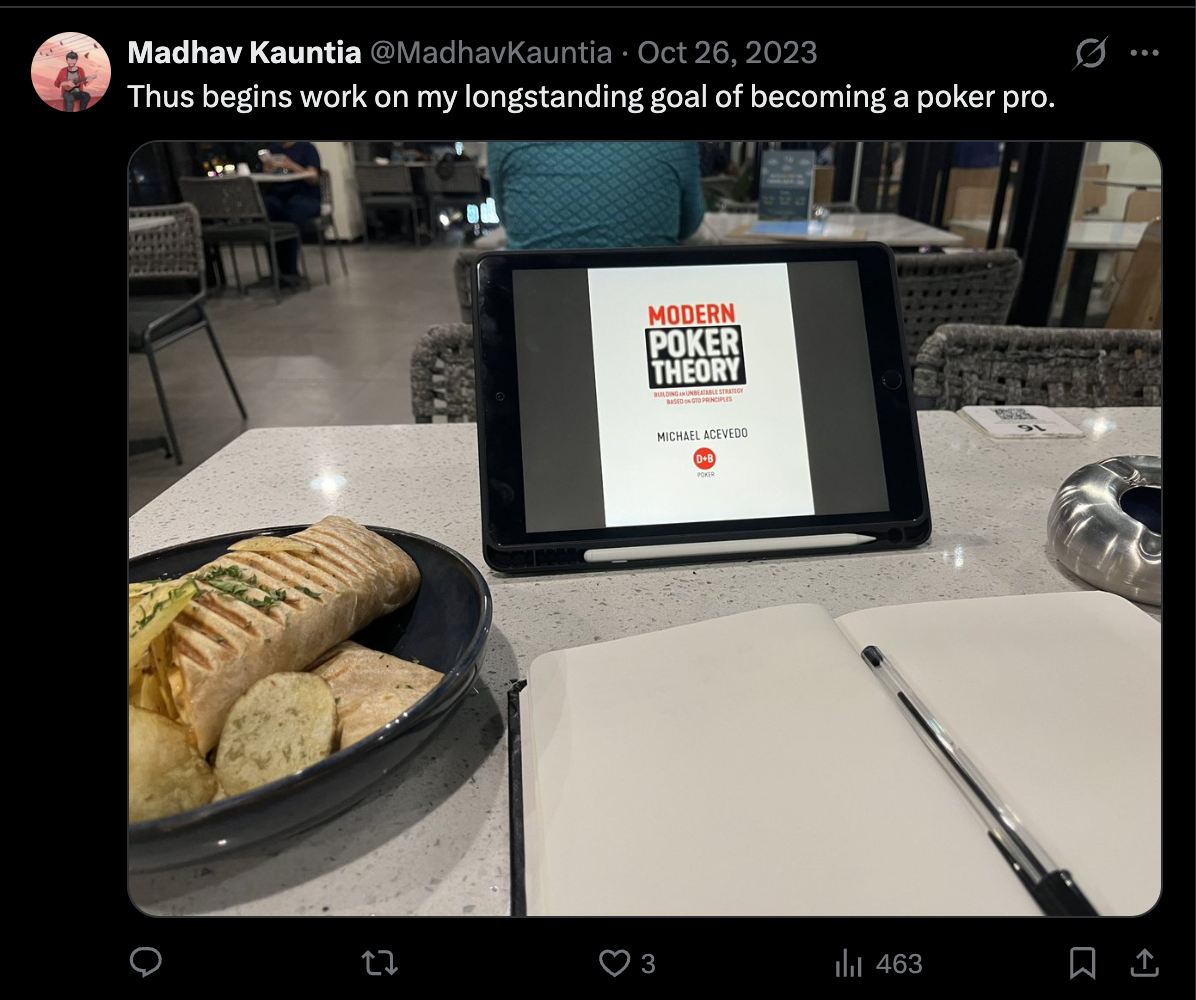
Saturdays became my favourite day of the week. We’d start at Manas’s place at 12:30PM and play till 8. The table was an elite little circle - startup folks at the peak of their careers, CXOs, VPs, founders. I was almost always the youngest person sitting there. I loved every bit of it, the game, the conversation, the banter. The only reason I could play comfortably at all was the bankroll I’d built from those few good early sessions.
From September through December of 2023 I played exclusively offline. In January 2024 we moved some of it online, to PokerNow, which lets you spin up a game in seconds without any setup. That changed the rhythm of my life. I was playing till sunrise, sleeping through the morning, dragging myself to work, and doing it all again. I had a ridiculous start to the year - I was clearing 2 to 3 lakhs a month, and it genuinely felt surreal.
Looking back, I think there were a few reasons I improved so quickly. I consumed an embarrassing amount of poker content. The closest analogy I have is chess. Watch a few hundred hours of games with good commentary and you can’t help but improve, even if you couldn’t explain how. I learned the most from vlogs, from watching other people play and trying to follow their thought process. I did try learning GTO - game theory optimal play, the mathematically “correct” baseline - but honestly, going too deep into it in the Indian poker ecosystem felt like a waste of time. The players here weren’t deviating from the baseline in ways theory could punish. So instead I discussed hands with the few strong players at the table, watched strategy videos, read the books, learned to read physical tells. I’ve always been a competitive person, and we were playing for lakhs. Every single decision mattered.
Eventually Manas decided to take a break from hosting, and I picked up the mantle. My dining table was too small, so I ordered an actual poker table. I started running a game twice a week, and I loved every minute of it. Hosting turned out to be the best thing for my game, though I didn’t realise it at first. I dealt most of the hands myself, which meant I was paying attention to every single one, even the ones I’d folded out of. You pick up an enormous amount that way - who slows down with a big hand, who can’t sit still when they’re bluffing, who’s been waiting an hour to gamble. When someone else deals and you’ve mucked your cards, all of that information just walks past you.
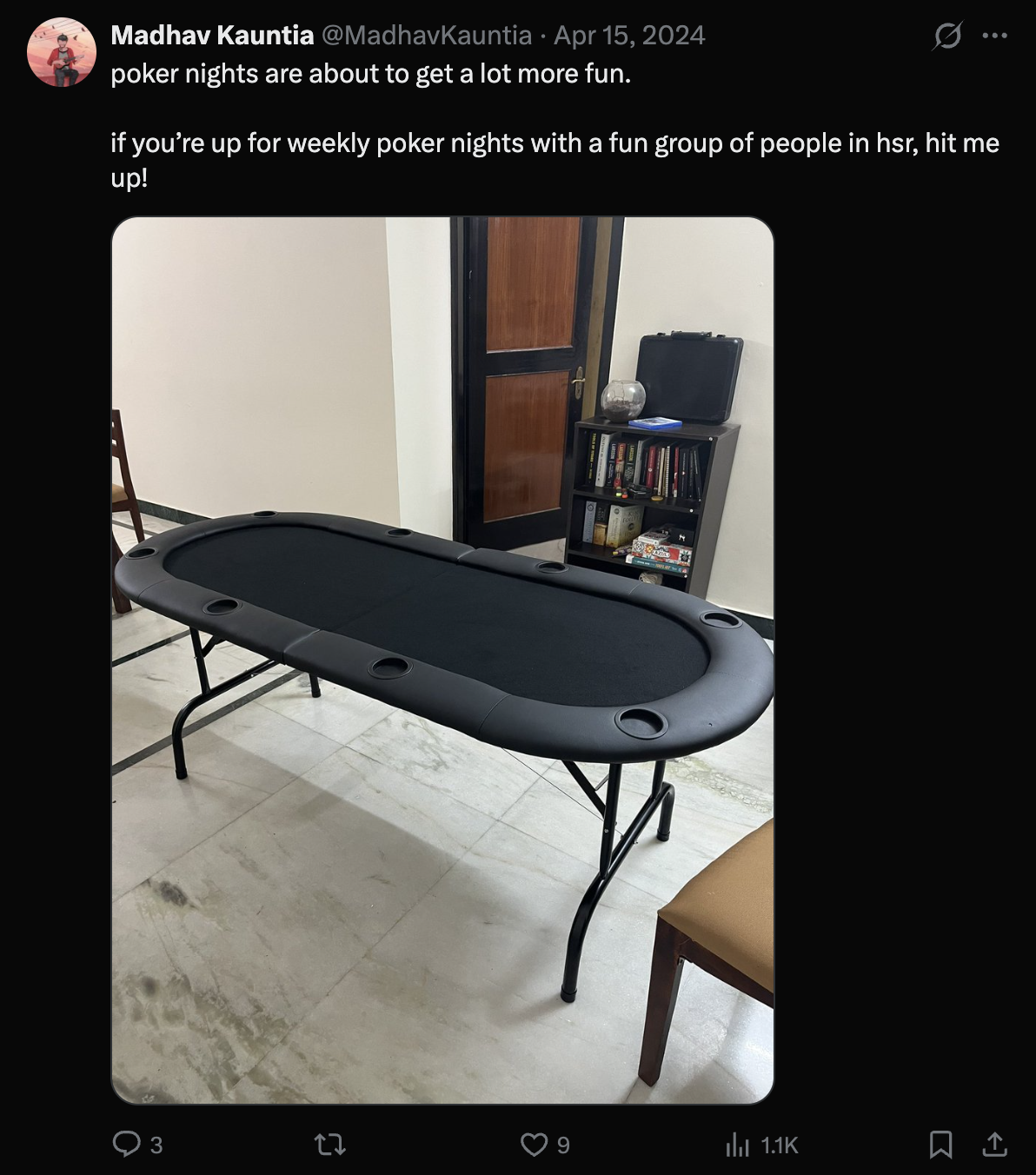
Before long, invitations started coming from other home games around Bangalore. I was playing online and offline almost every week, and the money kept coming.
My style was fairly simple: play tight, play aggressively, and pay attention. I leaned heavily on physical tells and tried to build a mental model of everyone I played with. Those little observations compounded over hundreds of sessions.
In those months I packed in what felt like a lifetime of poker. I played drunk. I won lakhs in a night and lost lakhs in a night. I played in founders’ living rooms, stayed up until sunrise chasing games, and somehow still showed up to work every morning.
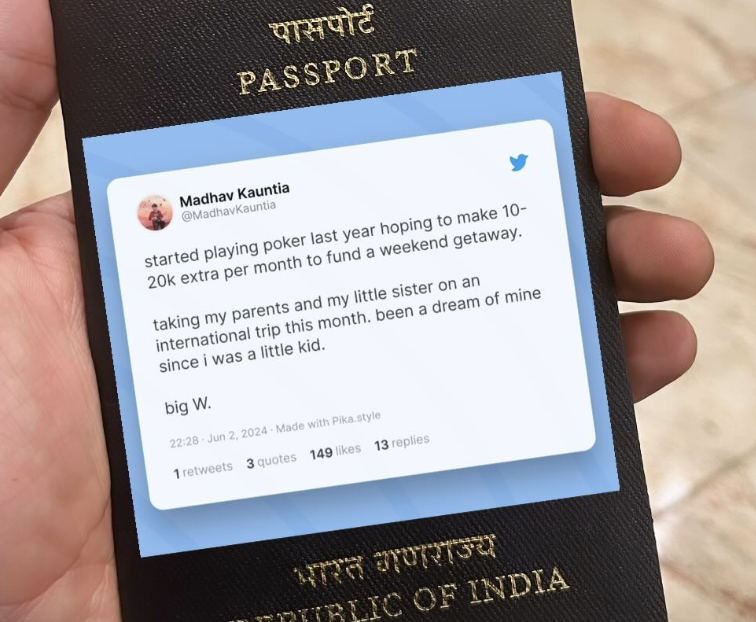
Around August, a few people in the club wanted to start playing PLO4 - Pot-Limit Omaha, where you get four hole cards instead of two. I was skeptical at first because it felt far more high-variance than I was comfortable with. Here’s the thing about the variance though - it’s a winning player’s dream. More variance means the weaker players gamble more, chase more, get it in with hands they shouldn’t. So I leaned in. I tried a few sessions, and I fell in love with it almost instantly. I put in serious study hours, stopped playing No-Limit Hold’em altogether, and went all in on Omaha.
Five lakhs a month stopped being a good month and started being a normal one.
Poker completely rewired my relationship with money. When you’re pushing stacks worth tens of thousands of rupees across the table every few minutes, or clicking buttons to do the same, the numbers start losing their emotional weight. ₹5,000 became a rounding error. ₹30,000 on a dinner was nothing. I caught myself becoming reckless outside poker because everything else seemed small in comparison. Looking back, that was probably one of the less healthy side effects of the game. But that’s a story for another essay.
It wasn’t all a bed of roses. While I did feel like I was at the top of the world most days, I did have my fair share of downswings and bad runs. That’s the funny part about poker. When you’re winning at a stretch, you feel invincible. You feel like there’s no way you can make a wrong decision. But one prolonged stretch of downswings and all of that goes away. I have spent my fair share of sleepless nights obsessing over losses and how I played certain hands wrong or beating myself up about spewing on tilt when it was obvious that I should’ve quit. There were weeks when I genuinely wondered whether I’d just been on an extended heater and fooled myself into believing I was a good player.
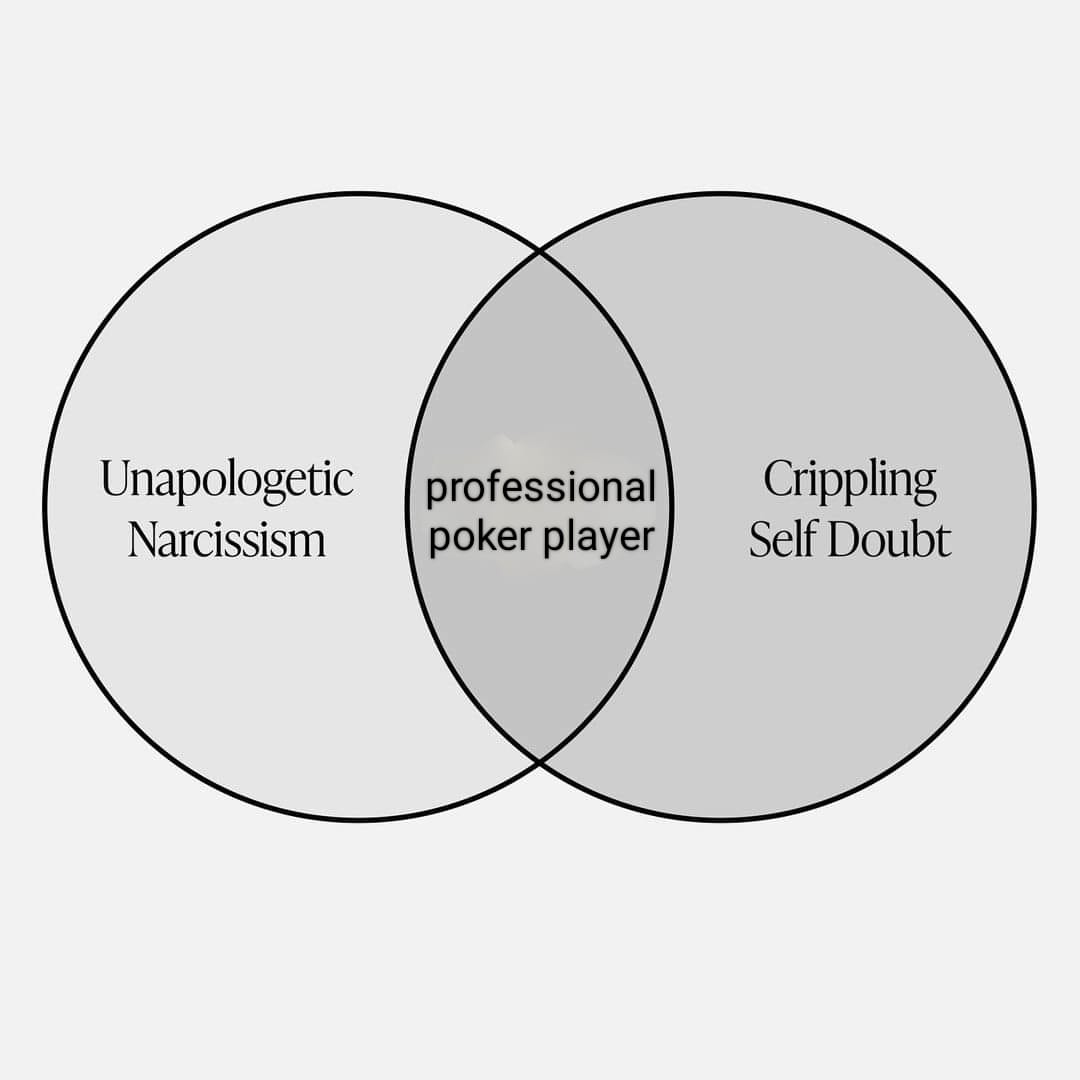
I kept my head down and kept going. My strategy deserves a separate essay altogether. I did put in some study, but I feel like the majority of my success stemmed from two qualities:
- I paid attention. Because I was dealing so many hands every day, I had to pay attention. I watched their breathing, the pulse on their neck, how fast they tapped their feet, what kind of speech play they used while betting for value or bluffing, how often they tilted. Because I was playing with the same folks every day, having mental notes on all of them compounded very quickly.
“I paid attention to every single detail of everything that was going on in the game. Being focused and trying really hard, I didn’t realize until I went through a phase where I wasn’t trying really hard, I didn’t realize how hard I tried.”
- Phil Ivey
- Discipline. One of my best qualities is self-control, and I feel like it’s arguably the most important skill a poker player can have. The ability to make good decisions when you’re tilting, and more importantly, being able to quit a game at the right time probably saved me lakhs and were the defining skills that made me stand out. I beat myself up a lot whenever I broke my stop loss or picked a spot to gamble despite knowing the odds weren’t in my favour. If you’re thinking of playing poker for the long haul, working on your mental game is probably the highest leverage skill you can possess.
After all the ups and downs, I finally hit the magical eight figure number on 22nd December, 2025 - about two years after I started playing seriously. I still remember the moment. It was around 5am. I had been obsessing over this target for the last few weeks. The money itself didn’t feel real anymore. What felt real was everything the number represented: thousands of hours of study, hundreds of late nights, countless difficult decisions, and the discipline to survive the stretches when nothing seemed to go right. See, the thing is, when you win online, there’s no one around to celebrate with. You just smile, close your laptop, go into your kitchen and get something to eat, sit and take a moment. It’s ecstasy, peace and contentment, all rolled up in a single emotion.
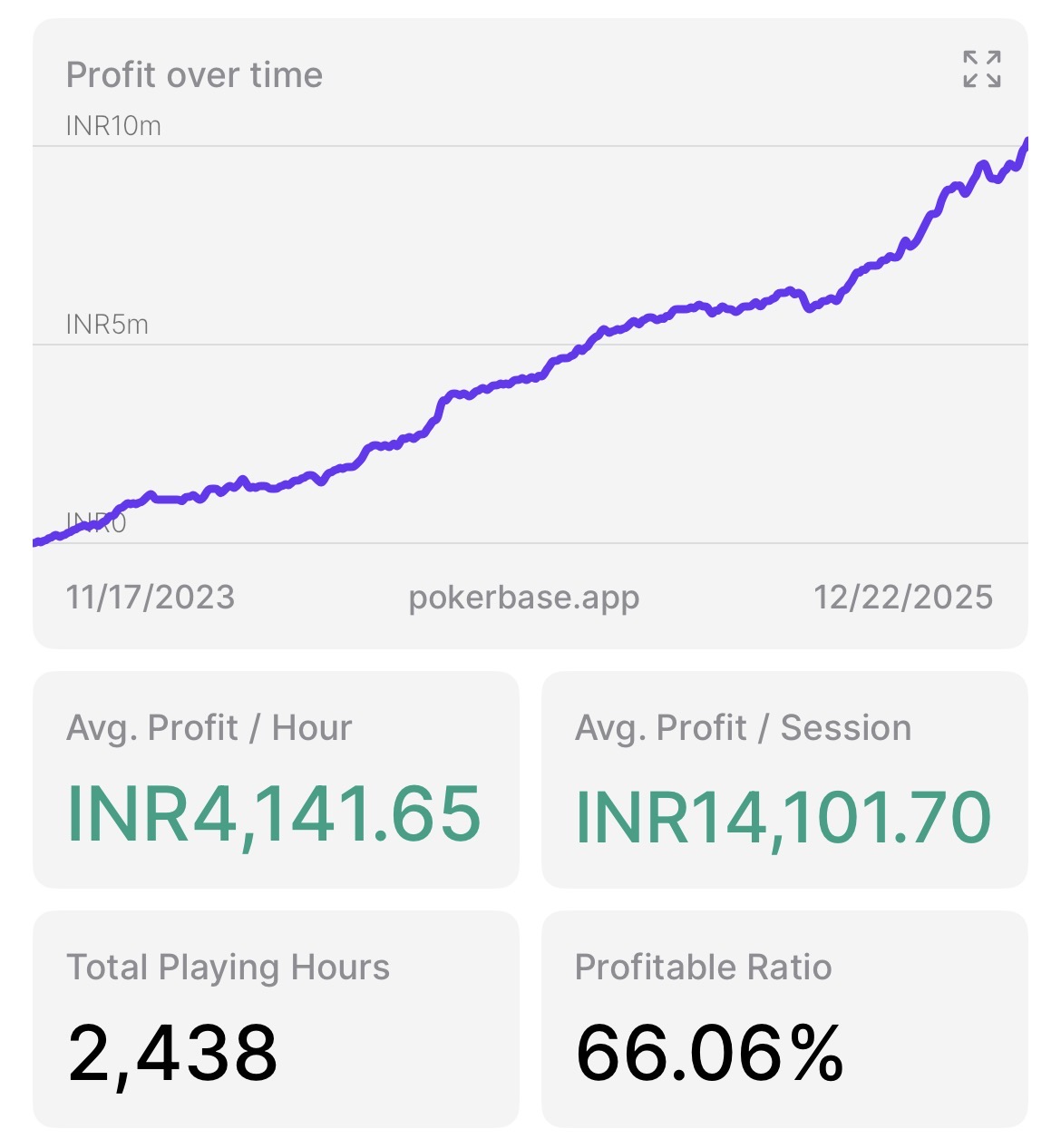
I still play now and then but not nearly as seriously as I did those two years. After the Indian government pulled the rug on online poker, I realised it’s difficult to build a career out of it, and decided to double down on my day job as a software engineer. The chapter closed itself, really.
I think about those Diwali nights sometimes. A kid at a card table, watching his parents gamble hundreds of rupees like it was nothing, learning a game that would quietly follow him for the next twenty years. He would have lost his mind if you’d told him where it was going.